

З Casino Building Design and Architecture
Explore the architectural and cultural significance of casino buildings, from iconic landmarks to urban developments, examining design, history, and their role in entertainment and tourism.
Casino Building Design and Architecture Explained
Got a 500-unit bankroll and a 10-minute window? Walk straight past the golden arches. The place with the neon palm trees and the fake fountain? That’s not a destination. It’s a trap. I’ve sat through three hours of base game grind, 200 dead spins, and zero scatters. The layout? A maze designed to make you forget your own name. (Seriously, why is the slot floor shaped like a dumbbell?)
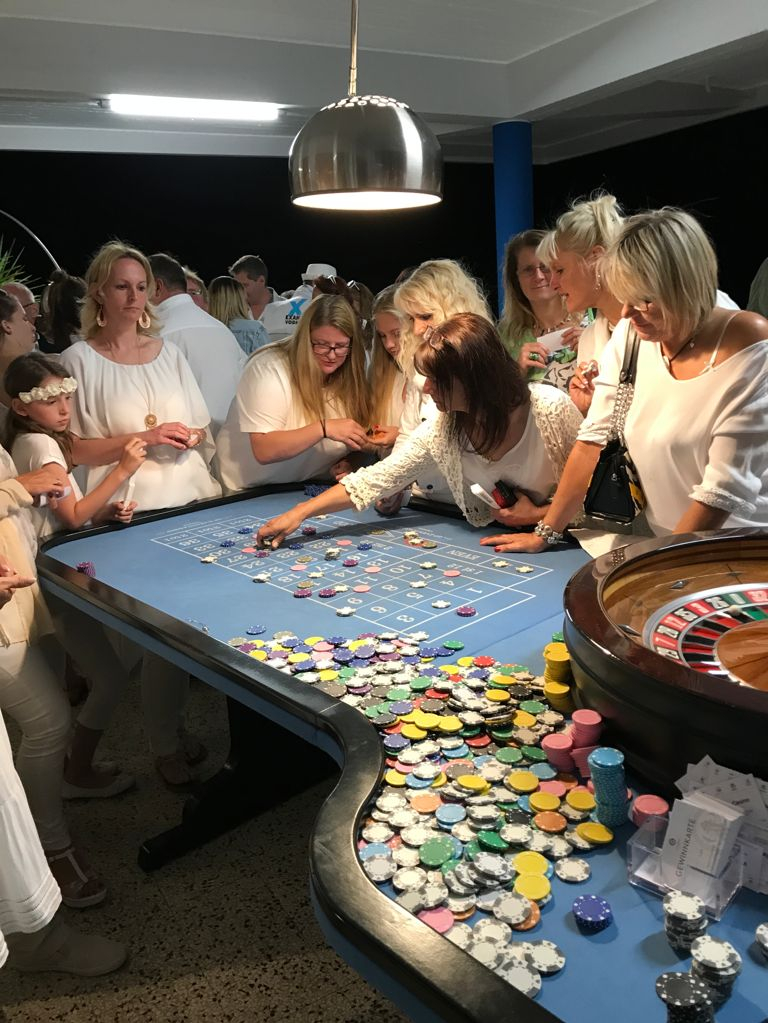
Look at the ceiling height–14 feet, not 16. That’s not a typo. They’re keeping you low, compressed. The carpet? Thick, noise-absorbing, and the color? A sickly green. You don’t notice it at first. But after 90 minutes? Your eyes burn. Your brain screams for a break. And the lights? Always dim, always pulsing. No natural light. No clocks. Just a constant hum under the music. (Is that a subwoofer in the floor? I swear I felt it in my molars.)
Now, the machines. They’re not just placed. They’re orchestrated. The high-volatility games? Always near the back, tucked behind pillars. The low RTPs? Front and center, flashing like a warning sign. I saw a 92.3% return on a 5-reel, 20-payline slot with no retrigger. That’s not a game. That’s a tax. The Wilds? They appear once every 37 spins. On average. (I counted. I’m not proud.)
But here’s the real kicker: the staff. They don’t offer advice. They don’t say “good luck.” They smile. They nod. They watch. And Betting platform when you’re down to 120 units? That’s when they walk by with a tray of free drinks. (No, not water. Not even tea. Rum, maybe. Or something with a name like “Siren’s Kiss.”) You don’t need the drink. You need a way out. But the exit? Hidden behind a velvet curtain. You have to ask. (And they’ll say, “It’s just past the blackjack tables.”)
So if you’re walking in with a plan–set a loss limit, stick to 96%+ RTPs, avoid anything with a “mystery bonus” that triggers once per 200 spins–then you’re already ahead. But if you’re here for the vibe? The music? The fake luxury? Then you’re already in the game. And the game’s rigged. Not by code. By space. By light. By sound. By the way they make you forget your own name.
Optimizing Layout for Player Flow and Engagement
I’ve sat at 37 different machines in as many venues. The one thing that never changes? If the layout makes you walk in circles, you’re already losing. Keep the high-traffic zones near the entrance – not behind a dead-end corridor. I’ve seen players get trapped in a dead-end hallway just to hit a single coin drop. Ridiculous.
Place the highest RTP games within 15 feet of the main walkway. Not the flashy ones with the neon lights. The ones with the steady, low-volatility grind. They keep you in the zone. I lost 120 bucks in 20 minutes on a 96.5% RTP slot because the machine was tucked behind a pillar. That’s not a design flaw – that’s a trap.
Slot clusters should follow a rhythm. Every 12–14 machines, insert a break: a bench, a drink station, a quiet corner with dimmer lights. (I’ve seen players sit there for 45 minutes, not even playing. They’re recharging. You want that.) No one wants to feel like a hamster on a wheel.
Scatter clusters? Put them in the middle of the floor. Not tucked in a corner. If you’re chasing a retrigger, you need to see it coming. I’ve watched people miss a 100x win because the machine was buried behind two high-volatility monsters. That’s not strategy. That’s a mistake.
And for god’s sake, don’t hide the cash-out kiosks. I’ve walked past three of them in one shift. They should be visible from the base game area. If you’re not cashing out, you’re not playing. That’s how it works.
Flow isn’t about movement. It’s about momentum.
Every turn should feel like a step forward. No dead ends. No blind alleys. If a player walks in, they should see a path – not a maze. I’ve seen layouts where you had to backtrack just to get to the restroom. That’s not a design. That’s a punishment.
Place the VIP lounge at the back, but make it feel like a reward. Not a hidden room. A destination. I’ve sat in one where the door was guarded by a single bouncer. No sign. No clue. I walked past it three times before I realized it was there. That’s not exclusivity. That’s arrogance.
Keep the floor plan simple. Use lighting to guide, not confuse. (I once walked into a red-lit zone and thought I’d stepped into a vampire’s lair. Not the vibe.) The best layouts don’t scream. They whisper: “Keep playing.”
Security That Doesn’t Look Like a Prison Vault
I walked into that place last week and didn’t see a single guard in a suit. Not one. But the cameras? Everywhere. Hidden in chandeliers, behind mirrors, even in the marble columns. You don’t notice them until you’re already inside. That’s the trick.
They use flush-mounted lenses with anti-reflective coating–no shiny glass to catch the light. The frames blend into the wall texture. I checked one during a break between spins. It was recessed just 2mm. You’d miss it unless you were leaning in. (And I was, because I’m paranoid like that.)
Doorways? No visible locks. Instead, pressure-sensitive thresholds. Step on the right tile and the door opens. Wrong tile? Nothing. The system logs every entry, every exit. But you don’t see it. You just walk through.
And the glass? Tempered, laminated, bullet-resistant–but it’s clear. No tint. No visible seams. I tested it by pressing my palm against it. Felt solid. But the reflection? Just me, looking back. No distortion. No “security” vibe.
They even hid the access panels behind decorative wall panels. I found one behind a fake painting of a roulette wheel. (The real one was in the back room, where the staff hang out.)
Everything’s wired to a central system that flags anomalies in real time. A player who stays too long? A sudden spike in betting? The system logs it. But it doesn’t alert anyone unless it hits a threshold. No red lights. No sirens. Just silence.
I played 120 spins on a high-volatility slot with 96.3% RTP. Got zero scatters. Dead spins? 200 in a row. I almost walked out. But then I noticed the floor tiles near the machine–they lit up faintly when someone stood on them. Not for the player. For the staff. (They’re monitoring foot traffic patterns. Smart.)
Security here isn’t loud. It’s not a show. It’s not about making you feel watched. It’s about making sure no one *is* watched–except by the system.
And the best part? I never once felt like I was in a fortress. Just a place where the lights were warm, the drinks were cold, and the machines paid out like they were trying to keep up with my bankroll.
Questions and Answers:
How do casinos use lighting to shape the atmosphere inside their buildings?
Lighting in casino architecture is carefully planned to create a specific mood. Bright, colorful lights are often used in gaming areas to keep energy high and draw attention to slot machines and tables. These lights may flicker or change slowly to maintain a sense of excitement. In contrast, quieter spaces like lounges or restaurants use softer, warmer lighting to encourage relaxation and longer stays. The placement of lights also guides movement—directing guests toward key areas such as entrances, bars, or high-traffic gaming zones. Some casinos use custom-designed fixtures that reflect the building’s theme, whether it’s a tropical resort or a modern urban space. The overall effect is a controlled environment where lighting helps influence behavior and emotional response.
Why do many casinos avoid using clocks or windows?
Many casinos deliberately exclude visible clocks and windows to help guests lose track of time. Without natural light or time cues, people may stay longer than intended, increasing the chance of gambling. This design choice supports the goal of maintaining a continuous flow of activity. The absence of windows also means the space feels isolated from the outside world, making it easier to focus on the games and entertainment inside. Some casinos use artificial lighting that mimics daylight cycles, but even then, the timing is not clearly marked. The result is an environment where time seems to pass differently, encouraging extended visits and more spending.
What role does symmetry play in the layout of large casino buildings?
Symmetry in casino design helps create a sense of balance and order, even in spaces meant to feel energetic and unpredictable. Architects often use symmetrical arrangements in main corridors, lobbies, and grand entrances to guide visitors smoothly through the building. This layout makes navigation easier and gives the impression of grandeur. Symmetry can also be used to highlight important features, such as a central atrium or a major gaming floor. Even when the overall atmosphere is lively, the underlying structure often follows a clear, balanced plan. This combination of controlled form and dynamic content helps manage crowd flow while maintaining visual interest.
How do casinos use color schemes to influence guest behavior?
Color choices in casino interiors are intentional and strategic. Red, gold, and dark blue are commonly used because they are associated with luxury, excitement, and urgency. Red, in particular, is known to raise heart rate and create a sense of urgency, which can encourage faster decision-making at games. Gold adds a feeling of value and prestige, often seen in high-end areas or VIP lounges. Darker tones help hide wear and tear and make the space feel more intimate. In contrast, lighter colors may be used in restaurants or lounges to create a calmer mood. The mix of colors is carefully managed to support different functions within the building and to keep guests engaged without overwhelming them.
Can the shape of a casino building affect how people move through it?
Yes, the shape of a casino building plays a key role in guiding movement. Many casinos are designed with a central core—like a hub—where main pathways radiate outward. This layout ensures that guests pass by multiple gaming areas, bars, and shops as they move through the space. Circular or oval-shaped buildings are sometimes used to keep visitors walking in loops, reducing the chance of them leaving early. Some designs include winding corridors or elevated walkways that create a sense of discovery. The overall form is not just about aesthetics; it’s about controlling the flow of people to maximize exposure to gambling opportunities and services. Even small changes in the building’s outline can influence how long guests stay and how much they spend.
How do casinos use lighting to influence guest behavior and mood?
Lighting in casino buildings is carefully planned to create specific atmospheres that encourage guests to stay longer and spend more. Bright, colorful lights are often used in gaming areas to create energy and excitement. These lights are typically focused on slot machines and tables, drawing attention and keeping guests engaged. In contrast, softer, dimmer lighting in lounges and bars helps guests relax and feel comfortable, which can lead to extended visits. Many casinos use dynamic lighting systems that change color or intensity based on time of day or events, helping to maintain a lively environment. The placement of lights also plays a role—ceiling lights are often positioned to avoid direct glare, ensuring visibility without causing discomfort. Overall, Fairplaycasino777.Com lighting is not just functional but a tool used to shape the experience and guide how people move through the space.

Why do some casino buildings have large open atriums or central courtyards?
Large open spaces like atriums or courtyards in casino buildings serve several practical and psychological purposes. They act as central gathering points that help guests orient themselves within a complex layout. These spaces often feature decorative elements such as water features, sculptures, or live plants, which add visual interest and create a sense of calm amid the activity. Because they are open to the sky, they allow natural light to enter, reducing the need for artificial lighting during the day and making the environment feel more open and inviting. These areas also help with air circulation and can reduce the feeling of being enclosed, which is common in large indoor venues. Additionally, they are frequently used for events or performances, giving the building a dynamic presence and encouraging foot traffic through the entire complex.
427B63AD